The Cosmic Elk
science, history and the history of science,
time, space, Siberia, and Tudor bastards
news and other things of interest from the Cosmic Elk
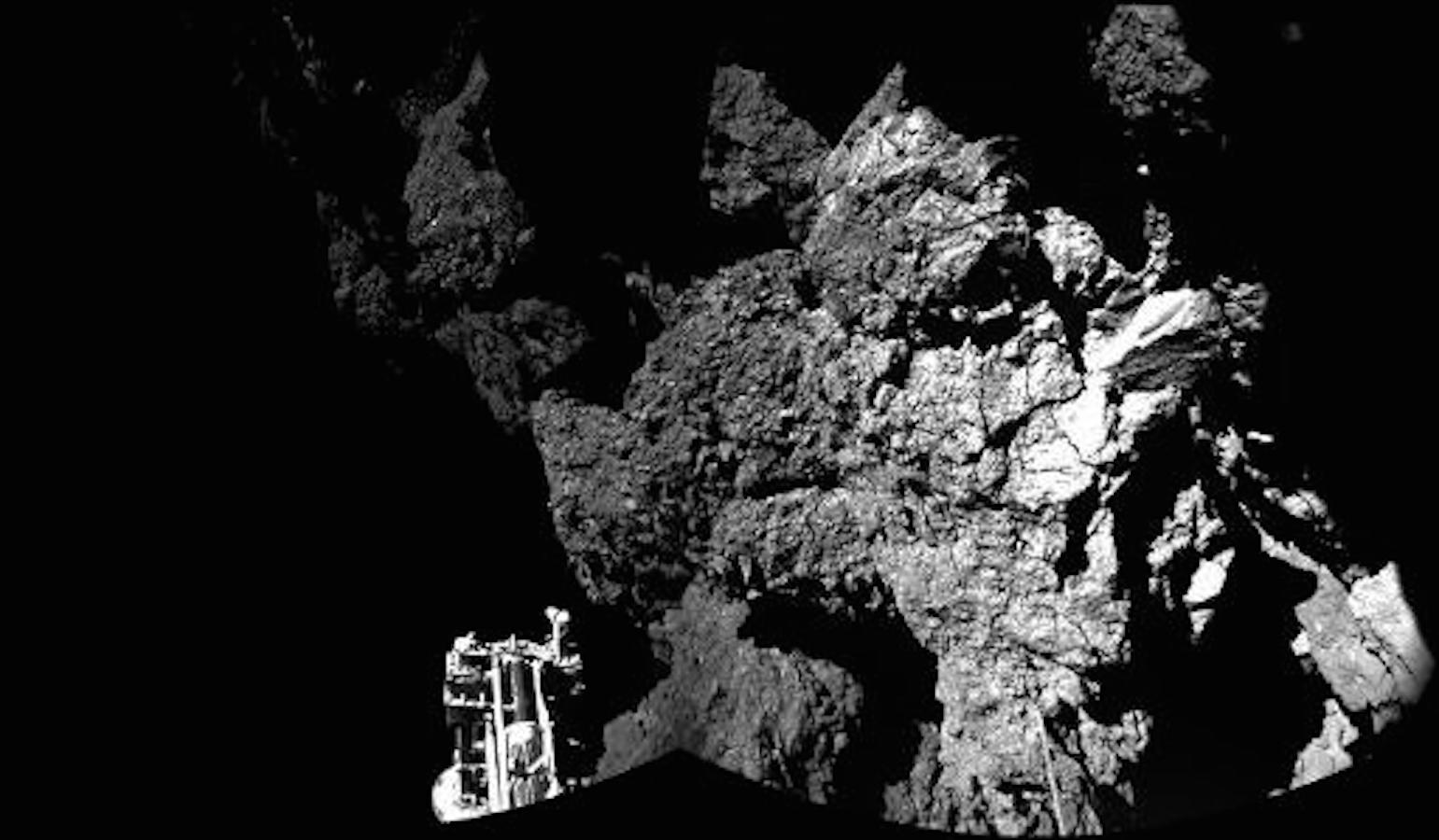 |
| About the Rosetta mission to Comet 67P.
and the Philae Probe landing on the comet, |
Siberia
Because of the interest in the history of Siberia - the pages which have the most information on Siberia, have been listed on the side in order of time and history, as far as possible. Most of the information has been published in articles and papers, and was used in adult education classes and lectures. Updating feedback and additional information always welcome.Kamila Kolpashnikova has been translating some of the stories from history into Russian, for children. Some of these will be put on the website later.
Leads to suspicion that the Big Bang may be a sort of updated creation myth. And an illusion caused by the limitations of our equipment and our brains. Perhaps.
No Big Bang?
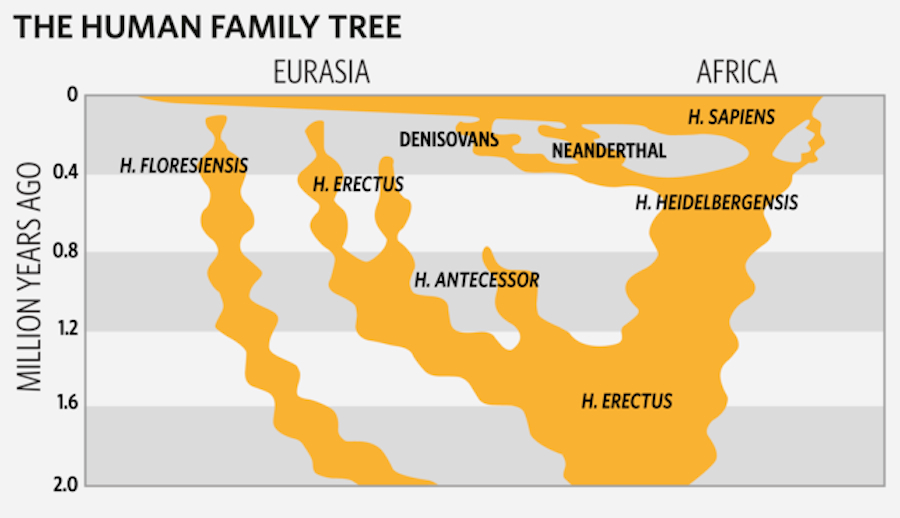 It looks like most of us here today had Neanderthal ancestors.
That makes sense really. The Neanderthal were living in parts of the world with cold winters, a climate that challenged survival without the necessary technologies: making warm clothes, making a weather proof and warm home, adapting to the changing climate through the year and preparing for winter, etc. People living in equatorial and tropical regions were not so dependent on warm clothes, sturdy weather proof homes, and storing food to keep edible through the winter. It also seems that the Neanderthals were appealing to people from other backgrounds such as Denisovan, whose traces so far have been found mostly in southern Asia and the Pacific.
More information has now been revealed on the navigation methods of the first Australians.
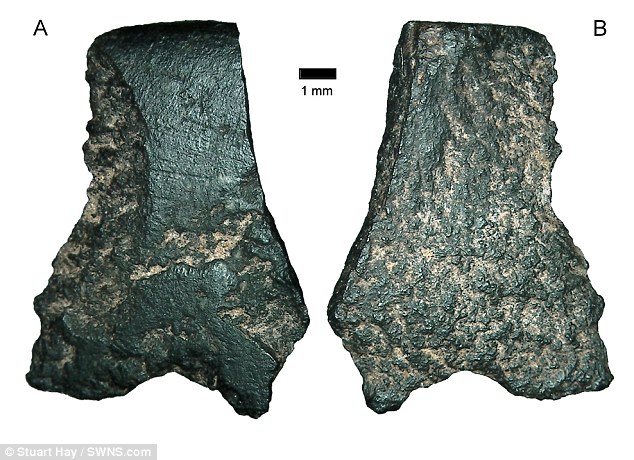
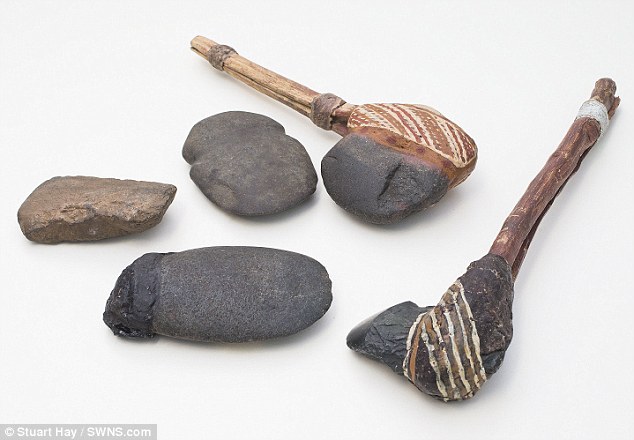 Remains of Australian stone axes have now been dated to about 50,000 years ago, they would have had wooden handles as shown in 2nd picture.
New discoveries at Stonehenge reveal much more.
It is now absolutely certain that Stonehenge was used for midwinter ceremonies to mark the winter solstice. Which we still celebrate.
Denisova genome available for researchers. Now able to find out more about our ancestors contemporary with the Neanderthals. See also.
Genetic evidence for the Siberian origins of the population of North America.
Genetic evidence for the Australian origins of the population of South America. I had thought about this after reading about a small boat of Australian convicts and their cat escaping from Tasmania to Chile. As long as the weather is ok, it is not so far as we might think. And the orginal Australians must have had boats as they apparently had migrated from Indonesia. More about this on the website.
If different wavelengths of light experience spacetime differently, the big bang may never have happened. As has been suspected. Time is an invention by us and for us to measure the duration of events. This article shows that time may have no beginning, no "big bang".
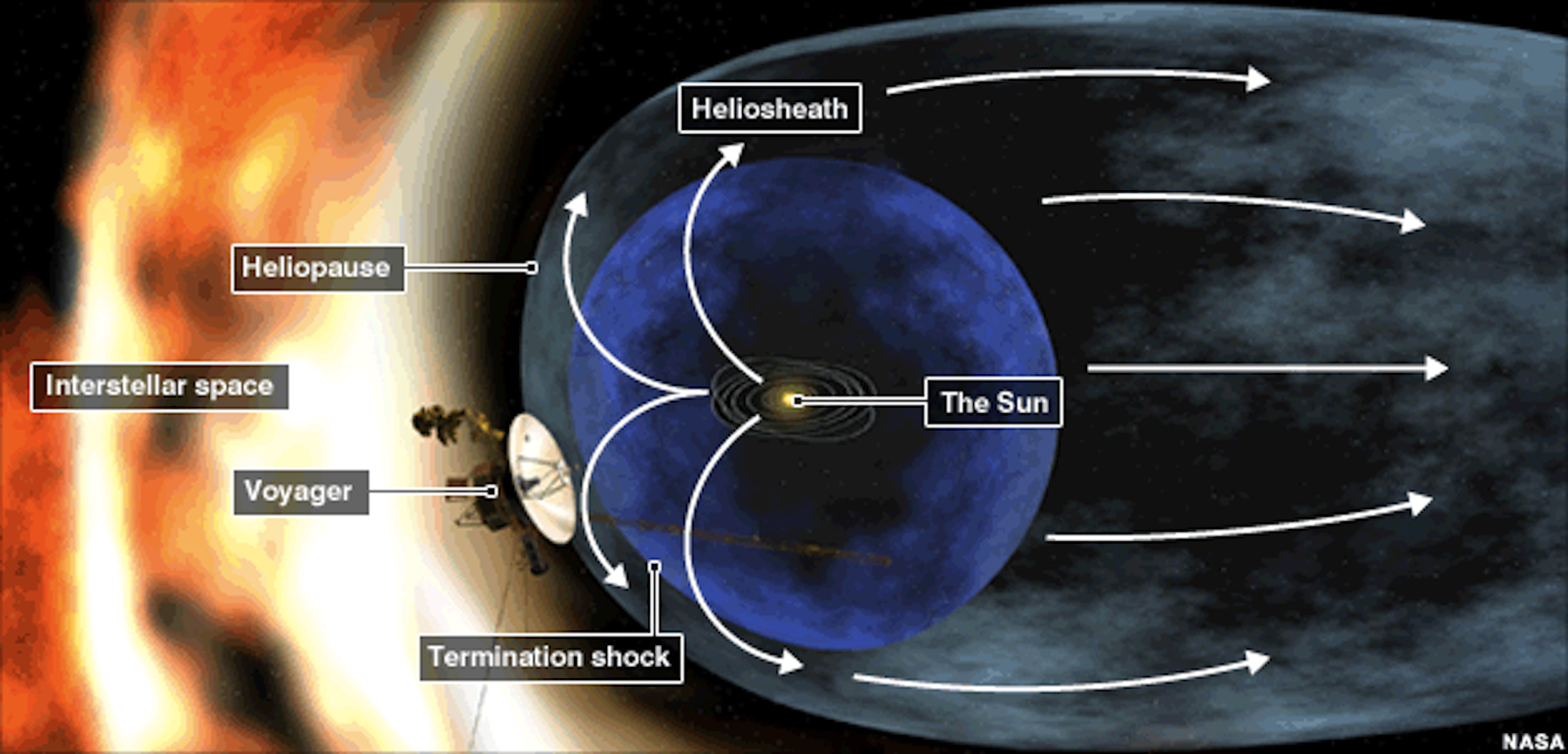 |
| Voyager 1 now left our solar system after 36 years of its journey into outer space. |
Mars ripped up by super-volcanos early in its history.
Lots of debris from Mars is known to have landed on Earth, and this is how it could have got here.
Free Longitude Stuff. Documents relating to the Board of Longitude have now been put on on line. Also free on-line is a shorter but updated version of our previously published book "John Harrison and the Problem of Longitude" by Mervyn Hobden and Heather Hobden. The technical details are being published in papers and articles by Mervyn Hobden.
Information on the history of the iron work of the dials and roof of the Westminster Clock, (Big Ben), from Peter Vince. Now on website.
The team caring for and restoring the Westminster Clock have been very helpful with updates on the state of the clock and its tower. This is the team hanging outside the clock dial when the clock and tower were renovated for the Queen's Jubilee.
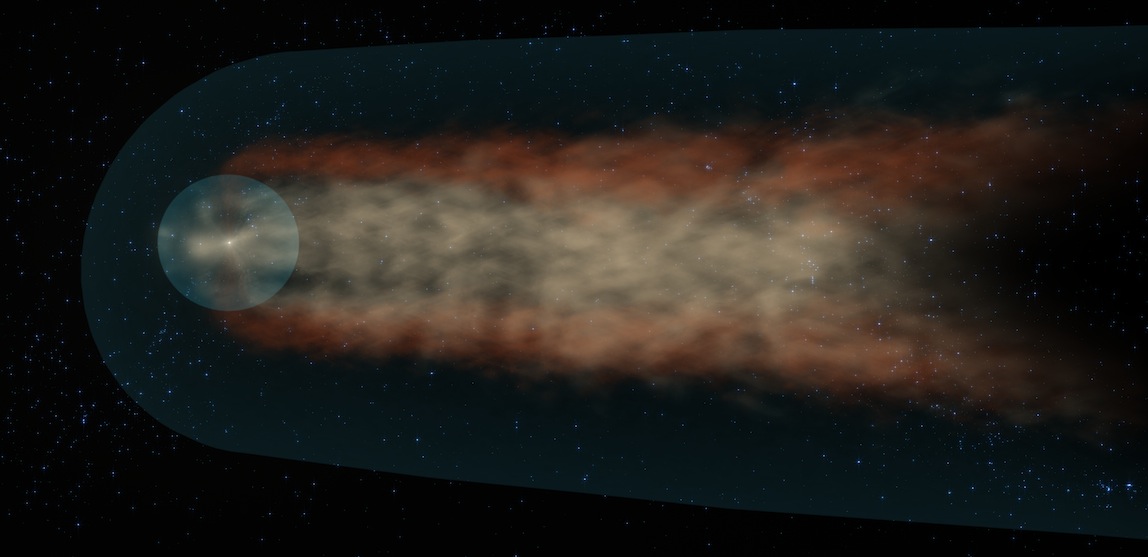 | View Of the Solar System's comet-like tail. | Shown in this video. |
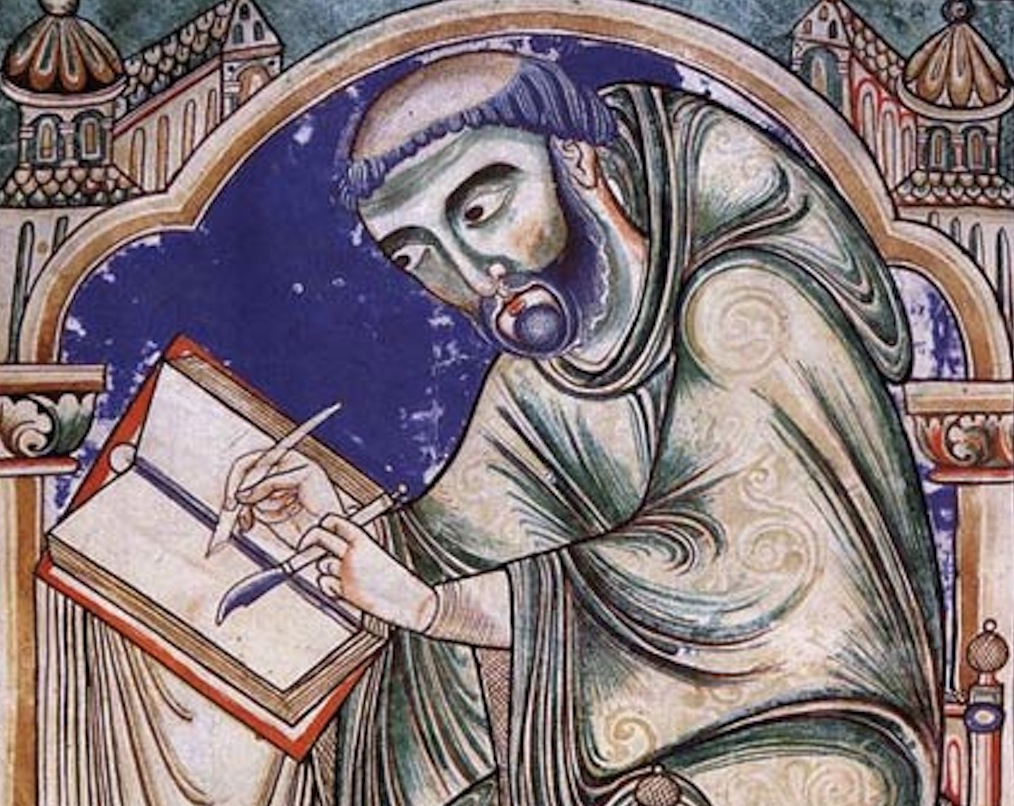 What happened in 775 AD (or just before) as revealed by tree rings.
Reported in the entry for that year in the Anglo-Saxon Chronicle (translated):
"This year also appeared in the heavens a red cross, after sunset. The Mercians and the men of Kent fought at Otford. And wonderful serpents were seen in the land of the South-Saxons." Speculations include a supernova. Another idea is the collision of two black holes into each other.
What happened in 775 AD (or just before) as revealed by tree rings.
Reported in the entry for that year in the Anglo-Saxon Chronicle (translated):
"This year also appeared in the heavens a red cross, after sunset. The Mercians and the men of Kent fought at Otford. And wonderful serpents were seen in the land of the South-Saxons." Speculations include a supernova. Another idea is the collision of two black holes into each other.
Here are more ideas about what had happened.
More evidence for Moon forming in collision. With a large object which has been called Theia (mother of the moon Selene in Greek mythology). The collision melted and vapourised Theia and much of the Earth's mantle. This rock vapour condensed to form the Moon.
When did we start learning astronomy
The history of astronomy goes back further in time than previously imagined. Early humans in South-East Asia, of at least two different species ancestral to to modern humans today, succeeded in travelling across open sea to islands in what is now Indonesia, and further to Australia. As much as a million years ago.Even in an ice-age, open seas wide enough to form a barrier to plants and animals divided islands like Flores from its neighbours, and the Australian continent from South-East Asia. These early voyagers would have had the technology to make sea-worthy boats, as even in the shorter crossings, the seas was infested with hungry sharks and crocodiles, toxic jellyfish, sudden violent storms and strong currents. And they must have had developed some way of finding their way to another shore. There is some evidence for this in the early rock art - some has been dated to 28,000 years ago. Australia appears to have been occupied by humans much earlier.
About 65,000 years ago there were massive volcanic eruptions in Indonesia. Volcanic ash was blown north-west to cover India. It was about then that Australia started becoming populated significantly, which is shown by the archaeological evidence. Since they had at least 4 miles of sea to cross, boats would have been essential to reach the lands seen in the distance. And some way of finding where you were going. If the sky was clear, the stars would have helped people find their position and a way to shore somewhere safe. They needed to note the patterns they made in the sky and remember them with stories. They would have used the sun's position to keep them on track in the day.
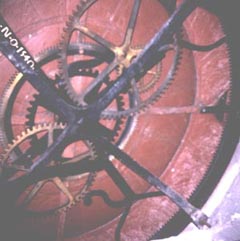
Inside the Hampton Court Clock.
The picture shows the back of the astronomical dial taken by Heather Hobden. This was before the latest restoration. Samples of metal were sent for testing. Results show that the copper dials date back to Wren's clock, which is why it is so different from the descriptions of the clock in the late 16th century and early 17th century. In fact the only parts that were left of Oursian's clock may have been the bits we were able to see through a hole in the door of the Tudor toilet, which were sticking out of the loo.
So this is not the clock face as seen by Henry VIII. Before 1541, the tower may have been the one used by Henry VIII as his laboratory (he was keen on medicine and mixed his own ointments and potions), and the top of the tower which was then a flat space was used by him for astronomy - another of his hobbies, he had instruments specially made for him.
The clock, with just the one large bell which was moved to the clock tower we see today, may have been in the original bell tower in Wolsey's palace, of which only part survives as this part of the palace was reconstructed considerably by Henry VIII. At the time this part of the palace was being renovated, we were shown the remains inside the building of the earlier clock tower.
More Tudor History - still in progress - a possible murder mystery.
Booklet now out of print although available from library. It is being replaced by a full version, ISBN: 9781871443400, with much more information on Henry VIII's other son, his life and times, family, friends, the political and economic background, and the mystery of his sudden death just as an act had been passed through Parliament to enable Henry VIII to name his son as his successor.
The original booklet has been used by other historians and teachers as a source. It had been expanded from an article, extended as more and additional information was requested. It could be seen that it was time the full story was investigated, so this new material is collected together in the cosmicelk.net website with all the additional material originally researched from primary sources, plus some fresh material and relevant events. This website also has links to references, books, and links to relevant websites for more information.
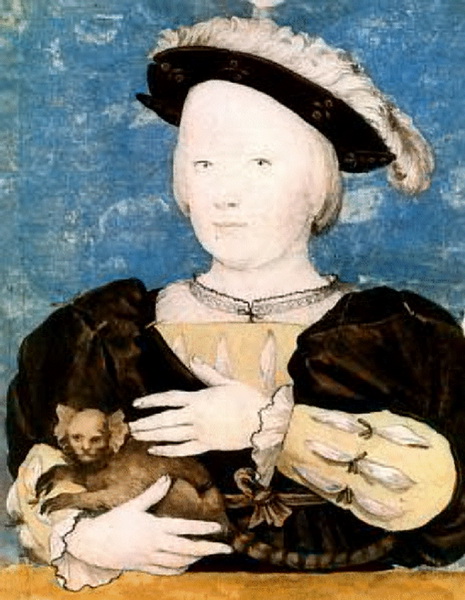 Tudor Bastard: Henry VIII's son, Henry Fitzroy, Duke of Richmond and Somerset, and his mother Elizabeth Blount.
ISBN: 978-1-871443-30-1, by Heather Hobden.
Tudor Bastard: Henry VIII's son, Henry Fitzroy, Duke of Richmond and Somerset, and his mother Elizabeth Blount.
ISBN: 978-1-871443-30-1, by Heather Hobden.
John Harrison and the Problem of Longitude
by Heather and Mervyn Hobden.First published in 1988, and updated and expanded since. The latest version of John Harrison and the Problem of Longitude is now available as a free pdf. This booklet has an account of the problems of finding longitude at sea, and the story of John Harrison who searched for a solution with a maritime clock that would keep precise time at sea. This work has been used as reference by writers, film and tv producers and others. Those needing more information, are welcome to contact us. Feedback and discussion always welcome. Mervyn Hobden has given many talks on Harrison and the longitude problem. He has written papers on the scientific work of John Harrison in a number of horological magazines - also published in USA.
Recently we have taken part in the commemorative events at Greenwich where Mervyn Hobden FBHI, gave one of the talks. The booklet gives the story of finding longitude and the part played by John Harrison. Lincolnshire's second most famous scientist. Anyone needing more on the technical information and discoveries, is welcome to contact us.
The illustration is of a teatowel, printed for us by Impsport, no longer available. However the Maritime Museum has H4 fridge magnets.
John Harrison was just as interested in music as he was in horology. As he was a choir master, he was interested in getting a good sound from an amateur choir, something he had in common with Handel, and his work on musical scales has been studied by Charles Lucy.
One of the Franklin expedition ships found. Shipwreck identified as the HMS Erebus.
Richard III revealed. The data from his bones shows his changing life style, what he ate etc. The television programme refered to also shows how they found a young man of 27, near the same age as Richard III was when fighting his last battle, who had the much same sort of scoliosis. They wanted to see how possible it was for Richard to fight in armour and ride a horse. It turned out that actually the saddle used then was very supportive. As I also have scoliosis was interested in this. They showed how brave Richard was, but was trapped and outnumbered in the end. (I think he should not have worn his crown - it must have made him a bit of a target).
Siberia: land beyond time.
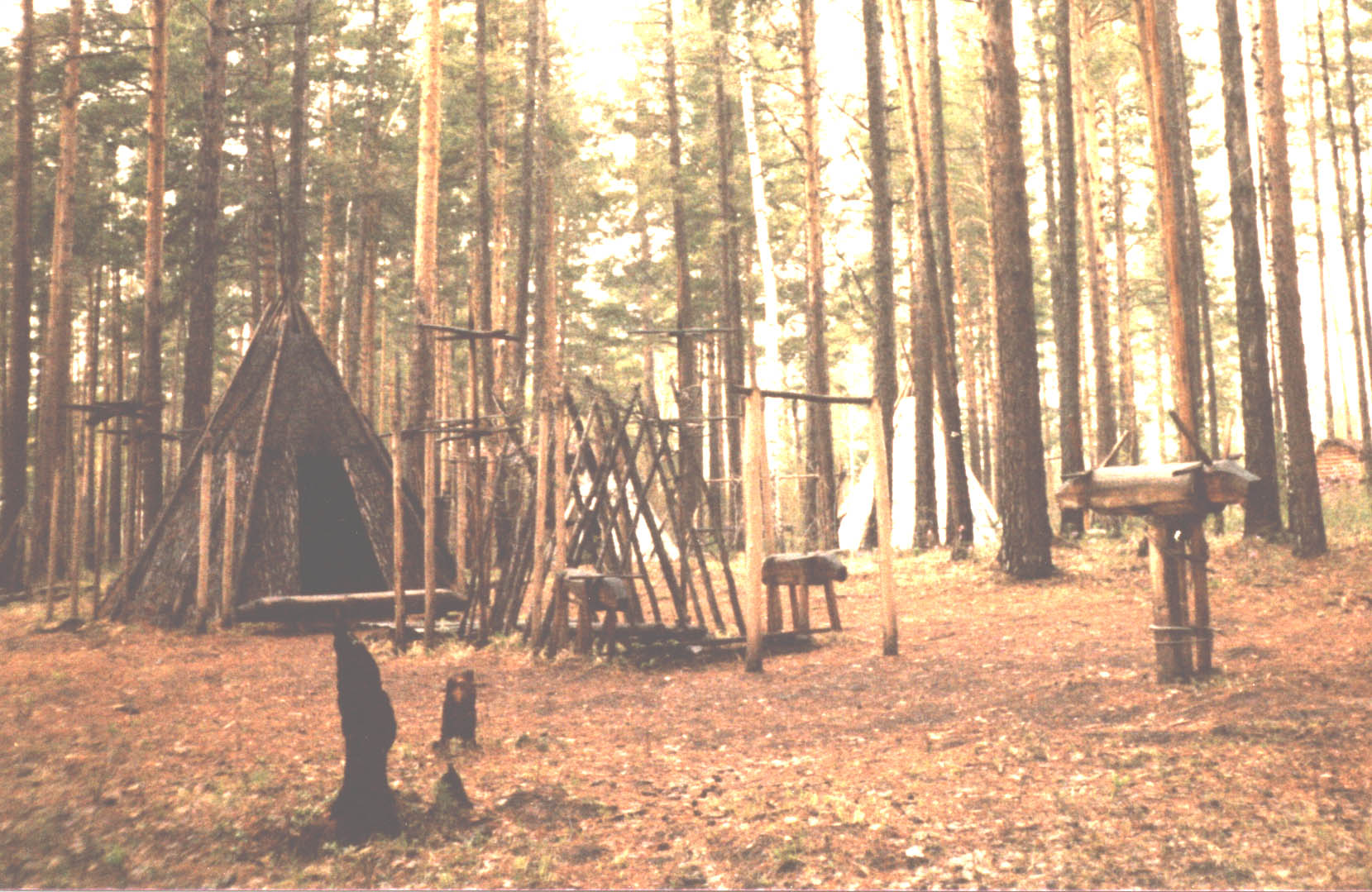
The history of this ancient and forgotten land, its great mineral wealth and rich cultural heritage. One of the oldest and the longest inhabited countries in the world. Recently DNA as well as culture has connected Europeans with the First Americans with their origins in central Siberia.
The story is still on the cosmicelk.net website as it is continually updated as new information is discovered. Feedback, links, information, etc. is always welcome.
Most of the information has already been published in articles and booklets, courses and talks, and other websites, and used by others, including in Russian and Sakha, and therefore some is copyright. Always willing to help with information as much as possible.
civilizations from Siberia. Again spreading to the West...looking beyond "the Cosmic Elk" (Plough constellation) with Hubble to NGC 2841
by Heather Hobden | |
Copyright Heather Hobden and the Cosmic Elk